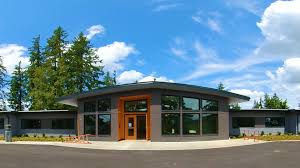
In the heart of Gladstone, Clackamas County, Tukwila Springs stands as a beacon of stability and compassion for older adults who have experienced homelessness. Opened in the summer of 2022, the 48-unit apartment community became the first housing project in the county funded through Metro’s Affordable Housing Bond, marking a major step toward expanding affordable housing options in the greater Portland area.
A Unique Collaboration for Lasting Change
Tukwila Springs is more than just an apartment complex—it’s a carefully coordinated effort between multiple partners working toward a common goal: providing safe, stable, and supportive housing for vulnerable seniors.
The project was funded through a combination of Metro bond funds, federal tax credits, Section 8 rent assistance vouchers, and state support, creating a sustainable model for long-term affordability.
Also Read
The building itself was originally an assisted living facility before being renovated by Home Forward, the Portland-area housing authority, to suit the needs of its new residents—older adults transitioning out of chronic homelessness.
Comprehensive Support Rooted in Community and Culture
What sets Tukwila Springs apart is its deep emphasis on supportive services tailored to residents’ unique needs. The Native American Rehabilitation Association (NARA) provides wraparound care for 36 of the 48 households, supported by Metro’s Supportive Housing Services (SHS) program. The remaining 12 households receive services through the State of Oregon.
All on-site staff are trained in behavioral health care, ensuring they can meet the complex emotional and psychological needs of residents who’ve endured years—sometimes decades—of housing instability.
Former NARA Housing Services Director Amy Thompson explains that the organization’s approach combines practical support with a focus on community and cultural connection. “Our goal is to help residents heal and thrive by honoring their identities and connecting them to meaningful cultural practices,” Thompson said.
Lead case manager Cameron Kenney emphasizes that success comes from attention to daily life as well as big-picture stability. “We’re not just helping people find housing—we’re helping them maintain it,” Kenney noted. “That means assisting with transportation, food access, and healthcare—everything that keeps someone’s life moving forward.”
A Model of Success in Clackamas County
Tukwila Springs is part of a larger, ambitious effort by Clackamas County to expand permanent supportive housing (PSH) for people facing homelessness. Over the past four years, the county has developed 1,162 PSH units using Metro SHS funding—surpassing its original 10-year goal of 1,065 households in less than half the time.
The results at Tukwila Springs have been particularly encouraging: the community reports a 100% housing retention rate. While some residents have transitioned to other housing or passed away, none have returned to homelessness—a testament to the effectiveness of combining housing with supportive services.
Overcoming Challenges with Resilience and Creativity
Like many social service programs, Tukwila Springs has faced obstacles. Federal government shutdowns and cuts to food assistance programs have strained resources, forcing staff to adapt quickly to keep residents supported.
In response, the team implemented a flexible client assistance budget to help cover essential expenses such as groceries, medications, or emergency transportation. They also developed a community garden, giving residents both fresh produce and a sense of shared purpose.
The staff continue to help residents navigate medical systems and maintain their independence. For many, access to consistent healthcare and medication management has been life-changing.
Building Hope, One Home at a Time
Three years after opening, Tukwila Springs remains a model for what compassionate housing can achieve. It demonstrates that when local governments, nonprofits, and communities collaborate, they can not only provide roofs over heads but also restore dignity and stability to those who’ve lost both.
For residents, the difference is profound. After years of uncertainty, they now have a place to call home—and a team of people dedicated to helping them stay there.
As of October 2025, Tukwila Springs continues to thrive, offering a safe haven for older adults who’ve endured the hardest chapters of homelessness. And with every garden tended and every resident supported, it’s proving that stable housing is the foundation of a healthier, more hopeful life.